
The Body as a Password: The Cost of Face ID
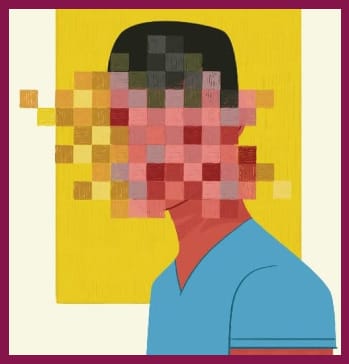
Convenience is costing people their freedom. Research shows that features like Face ID and fingerprints enable violent, forced phone access by police and authorities, writes Afsaneh Rigot.
Millions in crisis rely on ubiquitous tools that betray them: from social media to Starlink. The deeper shock comes when secure tools also exclude them through everyday hurdles like phone verification. In order to have real alternatives, we must reclaim hyper-accessibility.
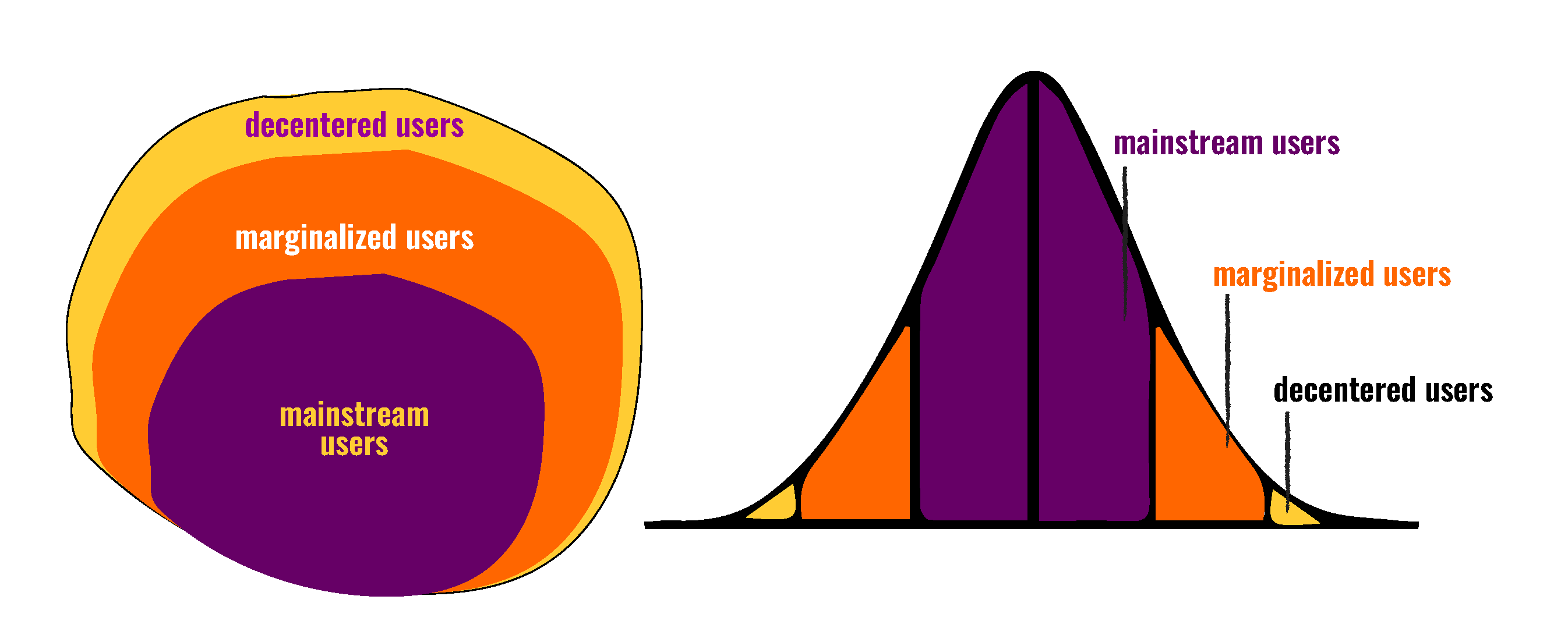
Identifying decentered communities is not a niche concern, but a method for uncovering how systemic violence operates.
Movement technologists should join movement lawyers – like me – to reconnect with their social justice values and harness their skills to build tech that is futureproof against abuse by authoritarians and oligarchs, writes Jessica Fjeld. “Movement lawyering” is the idea that lawyers can go beyond just representing clients to work with
Understanding a regime’s mechanics – like repression of speech on Palestine movements and migrants’ rights – is key. These times call for movement technologists to know how criminalization actually works, including the low-tech tactics, writes Afsaneh Rigot.
We mourn the shocking death of Imam Muhsin Hendricks, writes Azza Nubi, who advocates through her work with us and her new LGBTIQ+ regional org, LooM SWANA. Plus, RightsCon and a new publication.
With a Trump presidency and the rise of global authoritarianism, we must see that the antidote to our techno-harms are found in communities framed as “dangerous” or the "other," writes Afsaneh Rigot.